Lossless Hi-Res Music Streaming Compared: FLAC Bitrates, Spatial Audio & Family vs Individual Plans
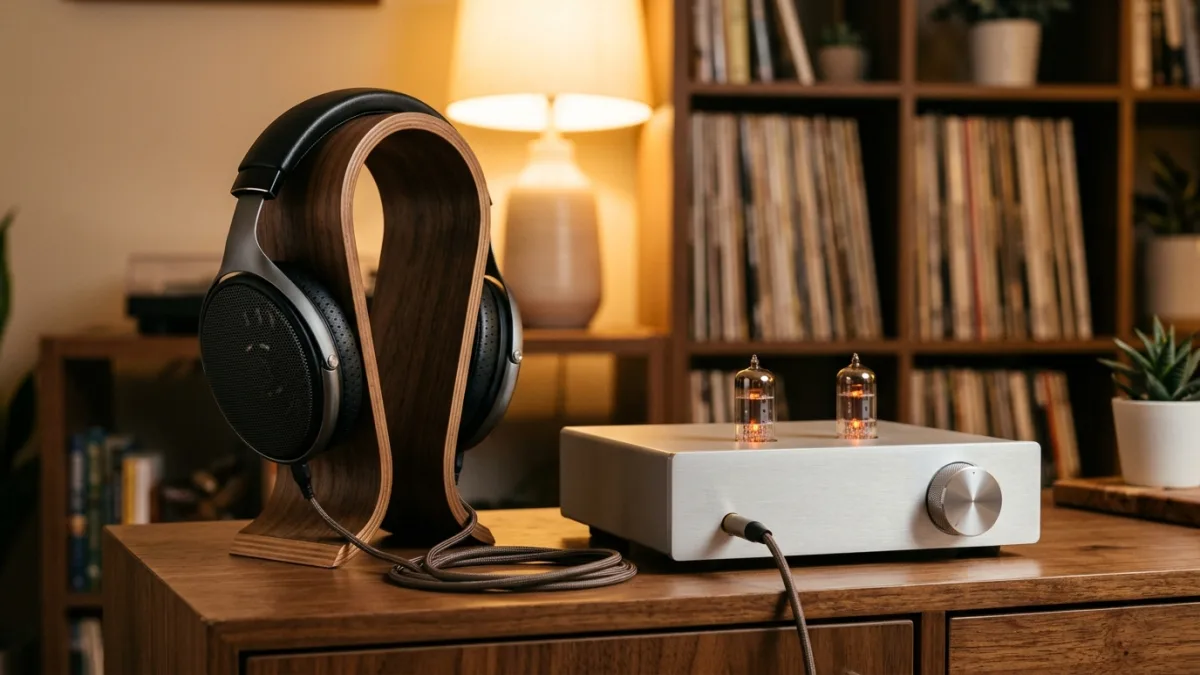
Whether you listen through planar-magnetic open-back headphones wired to a desktop R2R DAC, AirPods Pro on a morning commute, or a Wi-Fi network streamer in your living room, choosing the right music subscription in 2026 goes far beyond library size. Virtually every platform in Streaming, Music & Creator Vouchers now carries 100+ million tracks—yet they differ dramatically in bit-perfect exclusive-mode output, 24-bit/192kHz FLAC availability, Dolby Atmos spatial mastering, and discovery algorithms. Here is our complete technical and value comparison.
CD-Quality 16-Bit/44.1kHz vs 24-Bit/192kHz Hi-Res: What Your Ears Actually Hear
Lossy codecs such as 128–320 kbps Ogg Vorbis or AAC discard acoustic information masked by louder frequencies to shrink file sizes by 75%–85%. On noisy subway cars with budget earbuds, modern 256 kbps AAC sounds surprisingly clean. However, on resolving wired IEMs, studio monitors, or home stereo systems, lossy compression flattens cymbal decay, stereo soundstage depth, and micro-dynamic transients in acoustic jazz, classical orchestral recordings, and dense electronic mixes.
Stepping up to 16-bit/44.1kHz Lossless (1,411 kbps uncompressed PCM equivalent) restores 100% of Red Book CD fidelity, while 24-bit/96kHz and 24-bit/192kHz Hi-Res FLAC/ALAC deliver the exact studio master file bounced by the mastering engineer before downsampling.
Independent Audio Guide Notice (Nominative Fair-Use): TheLoveMovie is an independent digital media guide and voucher marketplace, unaffiliated with and unendorsed by third-party trademark owners of TIDAL, Apple, Qobuz, Spotify, or Deezer. All brand names identify codec and platform features under nominative fair use.
2026 Music Streaming Codec, Bitrate & Pricing Matrix (USD / USDT)
Compare codec specifications, peak bitrates, exclusive DAC output support, and prepaid pricing across the leading music services on TheLoveMovie:
| Music Platform | Audio Codec & Peak Resolution | Spatial Audio & DAC Exclusive Mode | Best For | Starting Price (USD / USDT) |
|---|---|---|---|---|
| Qobuz Studio | 24-bit / up to 192 kHz FLAC (up to 9,216 kbps) | Full WASAPI/ASIO Exclusive Mode + digital booklets | Purist 2-channel DAC & network-streamer audiophiles | From 3.49 USDT (3.49 USDT) |
| TIDAL HiFi / Max | 24-bit / up to 192 kHz Pure FLAC (no MQA needed) | TIDAL Connect Wi-Fi casting + Exclusive Mode + Atmos | Hi-Fi streamers, DJs & hip-hop/R&B/electronic fans | From 5.99 USDT (5.99 USDT) |
| Apple Music Hi-Res | 24-bit / up to 192 kHz ALAC (Apple Lossless) | Best-in-class Dolby Atmos Head Tracking (no Windows WASAPI) | iPhone/Mac ecosystems, Spatial Audio & Classical app | From 0.99 USDT (0.99 USDT) |
| Deezer Premium HiFi | 16-bit / 44.1 kHz FLAC (1,411 kbps CD lossless) | Flow AI mood mixes + SongCatcher audio recognition | Effortless CD-quality listening & European catalogs | From 8.99 USDT (8.99 USDT) |
| Spotify Premium Gift Card | High-efficiency Ogg Vorbis / AAC + Spotify Connect | Industry-best cross-device handoff, Jam playlists & podcasts | Social playlists, workouts, car infotainment & podcasts | From 2.99 USDT (2.99 USDT) |
Audiophile Breakdown: Qobuz Studio vs TIDAL Max vs Apple Music vs Spotify
If you own a dedicated desktop DAC/amp stack (FiiO, Topping, Chord, Schiit, or iFi) or a Wi-Fi streamer (WiiM Ultra, Eversolo, Bluesound, Cambridge Audio), OS mixer bypass matters more than marketing slogans. By default, Windows and macOS resample every incoming audio stream to a fixed system rate (for example, forcing a 44.1kHz track and a 96kHz track through a shared 48kHz mixer). Both Qobuz Studio and TIDAL offer true Exclusive Mode and direct Wi-Fi casting (TIDAL Connect / UPnP), switching your DAC’s hardware clock automatically track-by-track.
Meanwhile, Apple Music offers unbeatable value for Apple users—bundling its standalone Apple Music Classical app (built for searching by conductor, opus, and recording year) plus dynamic Dolby Atmos spatial mixes at no extra surcharge. And for households that value frictionless smart-speaker control, collaborative road-trip queues, and ad-free video/music bundles, pairing a Spotify Premium Gift Card or YouTube Premium + Music Pass keeps daily discovery effortless alongside tools in Video Editing, VFX & Pro Audio.
The Bluetooth Bottleneck: Why Wireless Earbuds Downsample Lossless Streams
Before blaming a streaming app for sounding identical on lossless versus high-quality settings, inspect your signal chain! Standard Bluetooth profiles re-compress audio in real time before transmitting to wireless earbuds. To actually hear the jump to lossless FLAC/ALAC on a phone or laptop:
- Add a $25–$60 Pocket USB-C DAC Dongle: Even an ultra-compact 32-bit/384kHz USB-C DAC paired with $50–$150 wired in-ear monitors (IEMs) delivers dramatically cleaner sub-bass control and instrument separation than $300 Bluetooth buds.
- Use Wi-Fi Casting Instead of Bluetooth at Home: Stream over AirPlay, Chromecast, or TIDAL Connect so your home speakers pull the FLAC stream straight from your router over high-bandwidth Wi-Fi.
- Disable Volume Normalization for Critical Listening: Turn off Sound Check / Normalize Volume when listening to full albums on studio gear so dynamic range peaks aren’t attenuated.
Individual vs Family Economics & Instant Dual-Network USDT Checkout
- Audit How Many Listeners Share Your Roof: Once two or more household members stream daily, Family plans cut per-listener cost by 45%–65% while keeping everyone’s algorithm, liked tracks, and CarPlay queues completely separate.
- Download Offline FLAC Over Wi-Fi Only: A single 24-bit/192kHz album can consume 800MB–1.5GB! Set cellular streaming to 320 kbps or 16-bit/44.1kHz and cache Hi-Res playlists onto local storage over home fiber.
- Fund Passes Instantly with Dual-Network USDT: On TheLoveMovie, checkout creates a 45-minute invoice with instant tab-switching between USDT BEP20 (BNB Smart Chain) and USDT TRC20 (TRON Network). Automated multi-RPC on-chain verification confirms your exact transfer in seconds—no recurring credit card surprises.
Sample-Rate Matching, Headphone Impedance & Playlist Portability
Getting the final 15% of sonic clarity out of a lossless subscription comes down to matching your playback chain to your headphones’ electrical characteristics. Low-impedance, high-sensitivity in-ear monitors (16–32 ohms) thrive on clean, ultra-low-noise-floor dongle DACs with zero background hiss, whereas 250-to-300-ohm studio open-back dynamic or planar-magnetic headphones open up dramatically in bass authority when driven by a desktop balanced amplifier delivering 500mW+ per channel. On macOS (which lacks automatic sample-rate switching inside stock Apple Music), free utilities like LosslessSwitcher or dedicated Exclusive Mode inside Qobuz Studio and TIDAL ensure your external USB DAC switches seamlessly between 44.1 kHz, 96 kHz, and 192 kHz masters. And if you ever rotate between music platforms using seasonal prepaid gift cards, playlist-sync utilities transfer thousands of liked tracks and albums in under three minutes.
 Multi-Region · 2 -54%
TIDAL HiFi & TIDAL Max Lossless Music — Gift Card & Direct Account Upgrade
 Multi-Region · 2 -50%
Apple Music Hi-Res Lossless — Individual, Family & US Pass
 Multi-Option -56%
Qobuz Studio — Official Personal Account Upgrade
 Multi-Region · 5 -57%