4K HDR10+ & Dolby Vision Home Cinema Streaming Guide 2026: Bitrates, Device Support & Prepaid Passes
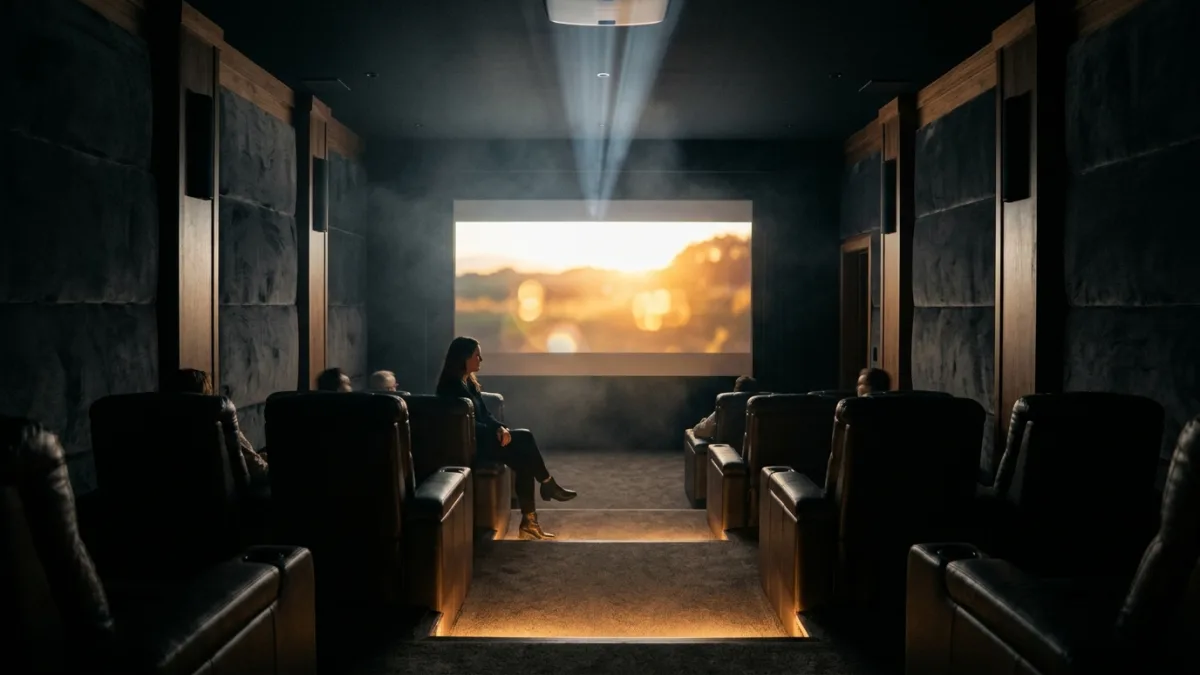
Investing $1,500+ in a 65-inch QD-OLED or Mini-LED television and a Dolby Atmos soundbar—only to feed it compressed 1080p SDR streams or ad-supported base tiers that strip out dynamic HDR metadata—leaves half your home theater’s dynamic range unused. Over the past two seasons, major platforms quietly moved 4K UHD, Dolby Vision, HDR10+, and Dolby Atmos behind top-tier plans while rolling out modern AV1 encoding. This independent 2026 home-cinema guide compares real-world video bitrates, hardware DRM quirks, and how prepaid passes in Streaming, Music & Creator Vouchers cut annual entertainment bills without auto-renewal traps.
Why Not All “4K Ultra HD” Streams Look Equal on OLED & Mini-LED TVs
Resolution (3840 × 2160 pixels) tells less than half the visual story. When an action sequence cuts through fog, candlelight, or underwater shadows, low-bitrate streams exhibit macroblocking and color banding regardless of pixel count. Visual fidelity in 2026 depends on three technical pillars working together: video codec efficiency (HEVC vs AV1), 10-bit dynamic HDR metadata (Dolby Vision & HDR10+), and sustained video bitrate.
Equally important, nearly every major service now separates “Standard Ad-Free” (capped at 1080p SDR + stereo/5.1 audio) from its flagship Cinema/Ultimate tier. Knowing which platforms actually deliver reference-quality masters helps you spend exclusively on the services worth watching on your main screen this month.
Independent Media Guide Notice (Nominative Fair-Use): TheLoveMovie is an independent digital entertainment guide and prepaid voucher storefront, unaffiliated with and unendorsed by third-party trademark owners of Netflix, Warner Bros. Discovery, Apple, Amazon, or Disney. Brand names describe technical streaming specifications under nominative fair use.
2026 Home Cinema Bitrate, HDR & Audio Comparison Table (USD / USDT)
Compare measured 4K bitrates, dynamic HDR format support, spatial audio codecs, and prepaid voucher pricing on TheLoveMovie:
| Streaming Platform | Typical 4K Video Bitrate & Codec | Dynamic HDR & Spatial Audio | Simultaneous Streams | Starting Price (USD / USDT) |
|---|---|---|---|---|
| Apple TV+ 4K | 22–35 Mbps HEVC (Industry-leading clarity) | Dolby Vision + HDR10+ & Dolby Atmos | Up to 6 (with Family Sharing) | From 2.99 USDT (2.99 USDT) |
| Max Ultimate Ad-Free 4K | 16–25 Mbps HEVC (HBO originals & WB slate) | Dolby Vision, HDR10 & Dolby Atmos | 4 concurrent streams + 100 downloads | From 3.99 USDT (3.99 USDT) |
| Netflix Gift Card (Premium 4K) | 8–18 Mbps Shot-Based AV1 / HEVC | Dolby Vision + AV1 HDR10+ & Spatial Audio / Atmos | 4 concurrent streams + 6 download devices | From 4.59 USDT (4.59 USDT) |
| Amazon Prime Video 4K | 12–20 Mbps HEVC / AV1 | HDR10+ & Dolby Vision (tier-dependent) + Atmos | 3 concurrent streams | From 2.99 USDT (2.99 USDT) |
| Disney+ Premium 4K | 15–24 Mbps HEVC (IMAX Enhanced aspect ratios) | Dolby Vision, HDR10+ & Dolby Atmos | 4 concurrent streams | From 11.99 USDT (11.99 USDT) |
Dolby Vision vs HDR10+ & Dolby Atmos: Matching Services to Your TV Hardware
Static HDR10 applies a single brightness curve to an entire two-hour movie—meaning a dark thriller with one blinding explosion can crush shadow detail across quiet scenes. Both Dolby Vision and HDR10+ solve this with scene-by-scene (and frame-by-frame) dynamic tone mapping tailored to whether your panel peaks at 800 nits or 2,500 nits.
If your centerpiece screen is an LG C/G-series OLED, Sony Bravia OLED/Mini-LED, or TCL/Hisense flagship, Max Ultimate 4K, Apple TV+, and Disney+ Premium (with IMAX Enhanced 1.90:1 expanded aspect ratios) showcase breathtaking specular highlights and 768 kbps Dolby Digital Plus Atmos height channels. If you own a Samsung S90/S95 QD-OLED or QN90 Mini-LED, Apple TV+, Prime Video, and Netflix Premium (via AV1 HDR10+) feed native dynamic metadata straight to your panel without falling back to flat static HDR10.
Avoiding the 720p/1080p Browser DRM Trap on PC, Mac & Streaming Sticks
Even with a top-tier 4K pass, millions of viewers unknowingly watch 720p streams because of silent hardware DRM downgrades. Audit your playback chain against these three hardware rules:
- Ditch Third-Party Desktop Browsers for Cinema Night: Chrome, Brave, Vivaldi, and Firefox on Windows use software Widevine Level 3 DRM, forcing most Hollywood studios to cap streams at 720p or 1080p. Use a dedicated 4K media streamer (Apple TV 4K, Fire TV 4K Max, Google TV Streamer, or NVIDIA Shield) connected via Certified Ultra High Speed HDMI 2.1.
- Turn Off “Motion Smoothing / Soap Opera Effect”: Switch your TV picture preset to Filmmaker Mode (or Cinema Home for daytime viewing) so 24fps cinema cadence renders naturally without interpolation artifacts.
- Enable eARC Passthrough on Your TV Audio Menu: Set Digital Sound Output to Pass-Through or Auto over HDMI eARC so uncompressed or Dolby Digital Plus Atmos object metadata reaches your AV receiver or soundbar intact.
Smart Subscription Rotation with Prepaid Passes & Dual-Network USDT Checkout
Paying five simultaneous recurring monthly credit-card bills year-round easily exceeds $95/month ($1,140/year), even though most households actively binge only two platforms in any given month. Smart cinephiles rotate prepaid passes instead:
- Pick Two Active Flagship Services Per Month: Activate Max Ultimate 4K and Apple TV+ when prestige sci-fi and drama finales drop, then rotate to Netflix Gift Cards or Paramount+ with SHOWTIME 4K the following month—zero cancellation phone calls or forgotten renewals.
- Keep Payment Cards Off Shared Living-Room Devices: Redeeming prepaid gift codes prevents kids or houseguests from accidentally clicking one-button rental add-ons on smart TVs.
- Checkout in Seconds with Dual-Network USDT: On TheLoveMovie, every order generates a session-bound 45-minute invoice supporting instant tab-switching between USDT BEP20 (BNB Smart Chain) and USDT TRC20 (TRON Network). Transfer the exact invoice total and verify your transaction hash on-chain in seconds to start watching tonight in full 4K HDR.
Network Bandwidth Stability, Wi-Fi 6/6E Placement & OLED Calibration
Sustaining peak 25–35 Mbps 4K Dolby Vision streams without mid-scene resolution drops requires stable low-jitter throughput rather than gigabit speed-test bragging rights. Smart TVs often ship with budget 100 Mbps Ethernet ports and crowded 2.4 GHz Wi-Fi radios tucked behind thick metal wall mounts; connecting your Apple TV 4K or streaming box to a clean 5 GHz or 6 GHz (Wi-Fi 6E/7) channel—or gigabit wired Ethernet—eliminates buffering spikes when other household devices start cloud backups. Spend two minutes calibrating ambient room lighting as well: placing a subtle 6500K D65 bias light strip behind your OLED or Mini-LED panel reduces eye fatigue during dark cinema scenes and enhances perceived shadow contrast without altering the director’s mastered black floor.
 Multi-Region · 6 -24%
Netflix Gift Card & Premium 4K Plans — Multi-Region Digital Code & Account
 Multi-Region · 3 -56%
Max (HBO Max) Ultimate 4K Dolby Atmos — Gift Card, Private Account & Regional Plans
 Multi-Option -57%
Apple TV+ 4K Dolby Vision — Official Upgrade & Family Plan
 Multi-Region · 4 -57%